

Clinical care
Skilled Nursing
Nursing support delivered in the familiar setting of home, based on an assessment, provider orders when required, and the agency’s authorized scope.
Learn about this serviceHome healthcare, thoughtfully arranged
Professional support, clear communication, and respect for the routines that make home feel like home.
Supporting adults and families in Maryland
Care options begin with a conversation and assessment

Start with what matters most.
We’ll help clarify the next step.
Find your path
Choose the next step that best fits why you are here today.
Care options
Explore common ways we may support an adult at home. Availability and scope are confirmed through the intake and assessment process.
Clinical care
Nursing support delivered in the familiar setting of home, based on an assessment, provider orders when required, and the agency’s authorized scope.
Learn about this service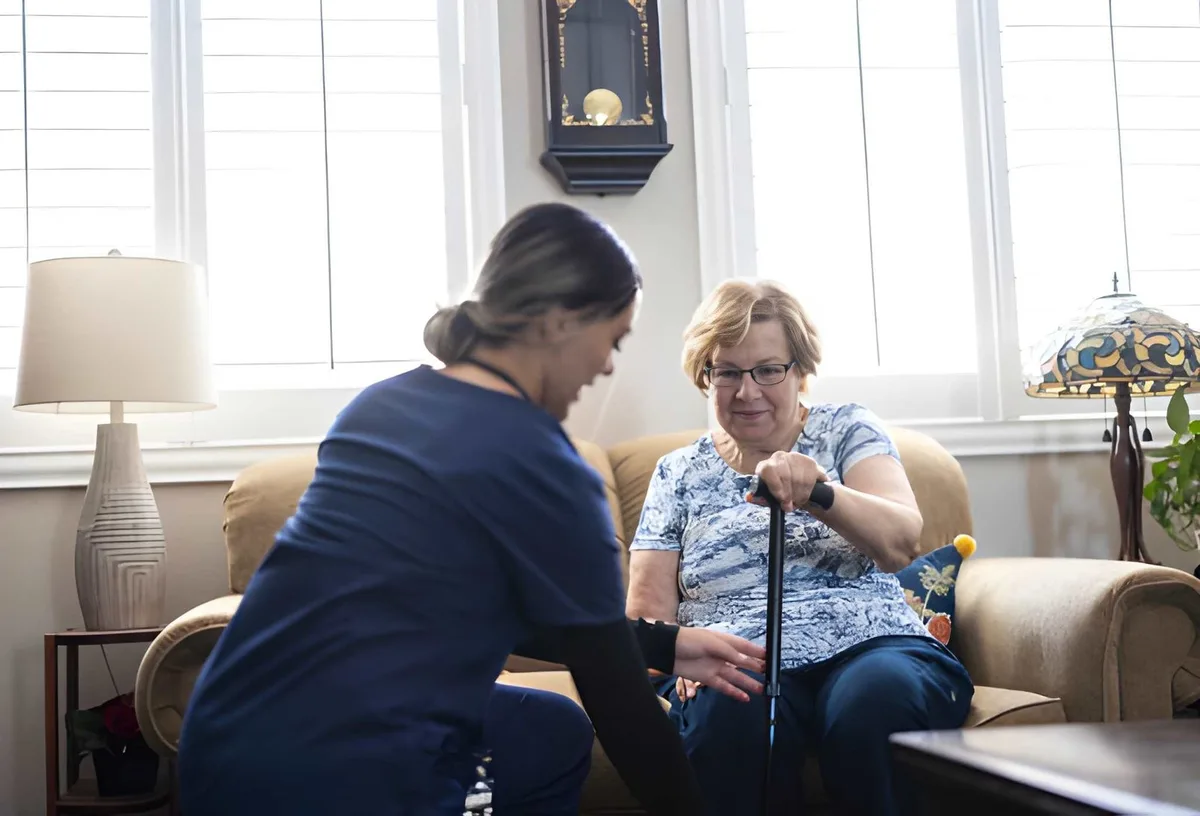
Everyday support
Respectful, hands-on help with personal routines and daily activities, shaped around the individual’s preferences and level of independence.
Learn about this service
Connection and relief
Calm, attentive presence for an adult at home, with practical support that can also give a family caregiver time to rest or manage other responsibilities.
Learn about this service
After a care transition
Practical support for adults and families as they settle into new routines after a hospital, rehabilitation, or other care transition.
Learn about this serviceThe Solution approach
We focus on the human details that shape trust at home: listening well, matching support to the need, and keeping people informed.

Preferences, routines, culture, and independence belong in the care conversation—not at the edges of it.
We make room for questions and explain the next step in straightforward language.
An assessment helps distinguish clinical tasks from personal care, companionship, and other assistance.
Care is delivered in someone’s personal space, with attention to privacy, dignity, and choice.
How care begins
The exact workflow depends on the requested service, but these steps make the proposed process easier to understand.
Tell us who needs support, what has changed, and the best way to reach you. Please keep diagnoses and sensitive records out of the web form.
We discuss routines, safety, timing, preferences, and whether a referral or clinical order may be needed.
An appropriate team member reviews the home situation and the kind of support that may fit.
Before care begins, the proposed services, schedule, responsibilities, and communication approach are explained.
Care starts after the required arrangements are in place, with check-ins as needs and routines evolve.
The value of home
Home is where routines, memories, preferences, and relationships come together. Appropriate support can help an adult take part in daily life with more assistance where it is needed and more independence where it is not.
That balance is personal. It starts by listening to the individual—not just reading a list of tasks.
Read our care philosophyServing Maryland
Exact counties and ZIP codes are being reverified. A quick call is the best way to confirm current coverage and scheduling for your community.
Check service availabilityQuestions, answered
Straightforward answers about assessments, services, payment, and the first step.
The person seeking care, a family member or authorized representative, and a healthcare professional may contact the agency. We will explain what information or permissions are needed for the next step.
An assessment typically explores daily routines, the home environment, safety considerations, personal preferences, current supports, and the type and frequency of help being considered. The exact process should be confirmed with the office.
Skilled nursing involves clinical tasks performed by a licensed nurse under an appropriate care arrangement. Personal care focuses on everyday activities such as bathing, dressing, mobility, and routines. Eligibility and scope are determined individually.
Visit length and frequency depend on the requested service, assessment, staffing, and applicable program requirements. Call the office to discuss the schedule you have in mind.
Assignments may consider the care plan, required skills, availability, communication needs, and personal preferences. Ask the office about the current matching and reassignment process.
A thoughtful first step
Start with a brief, non-emergency conversation. We’ll listen, clarify the next step, and help you understand what information is needed.